


2026 | 10. February
How AI is transforming visual design in 2026
Design can now be handled by AI, whether well or poorly is beside the point. Clarity does not come from mass output, but from deliberate decisions.
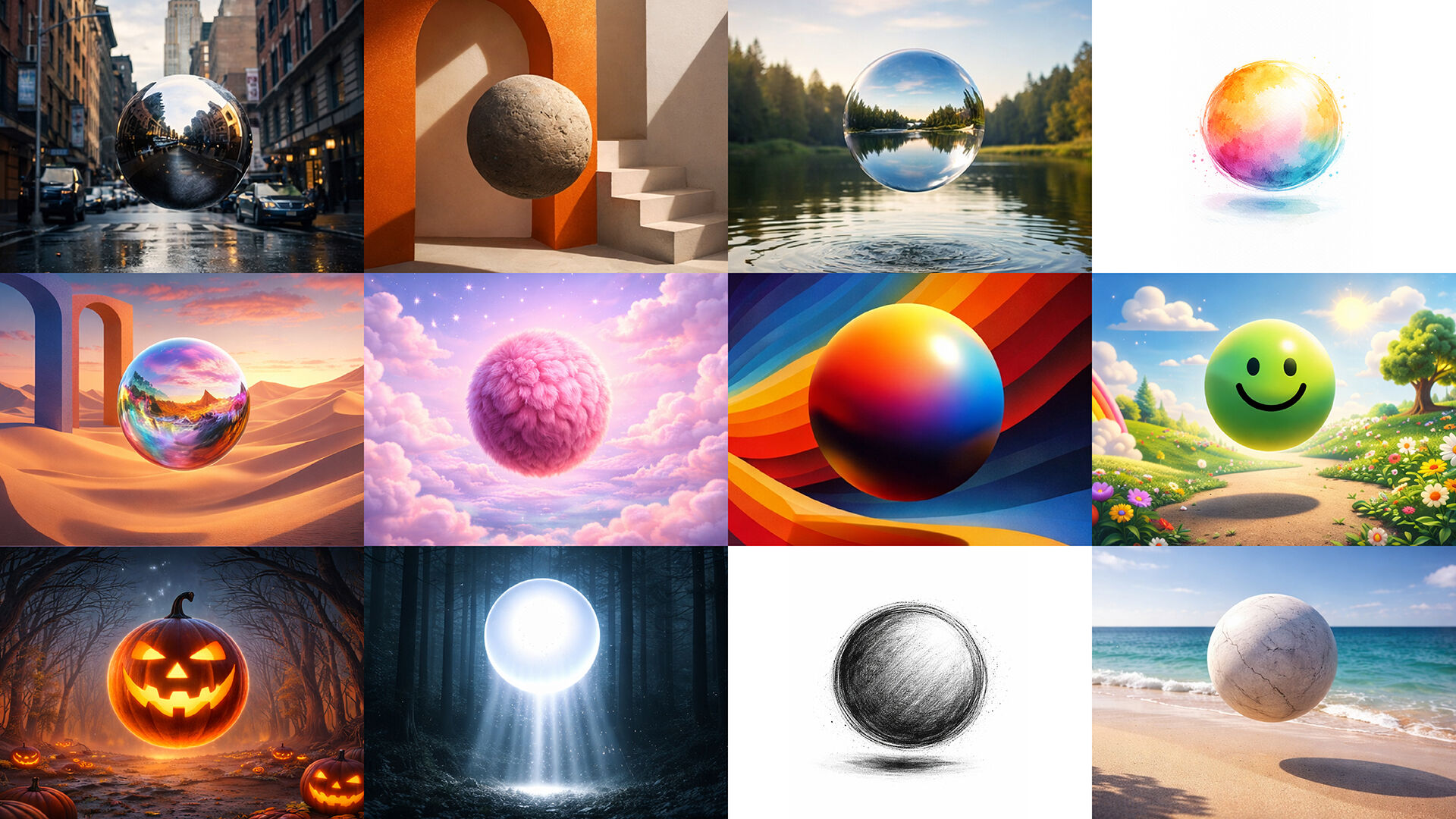
The more accessible the tools become, the more important design intent becomes: what fits the brand and what doesn’t? Developing a brand and ensuring relevance, consistency and identity therefore remain, for now, a human responsibility.
«Design can be handled by AI today.»
That’s true, if design is understood purely as production. Images, layouts, presentations or entire campaigns seem to emerge in seconds. What used to take days or weeks is now fast, scalable and cost-efficient.
This is exactly what shifts the core of design work: away from making, towards deciding. Because with every additional option, complexity increases. Which solution fits the brand? Which idea do we move forward with? Which do we consciously discard?
AI already takes on many operational tasks such as creating mockups, generating variations or visualising ideas and significantly accelerates processes. But design has never been just execution. And it is not just strategy either. Design is the interface between direction and visibility. It translates positioning into concrete form. It connects business decisions with external perception. It ensures that individual elements belong together instead of existing side by side.
The more AI produces, the more important curation becomes: prioritising, structuring, reducing and creating consistency. Design increasingly means consciously deciding which form an idea should take and which it should not.
In everyday practice, AI currently acts less as a replacement and more as an amplifier. It opens up perspectives, provides impulses, shows alternatives and triggers new combinations. But even the most complex prompt depends on something no machine can define: direction. Without clear intent, output becomes arbitrary. A design system is not a collection of assets but a principle of organisation. A logo is not a random shape but the condensation of strategic decisions. AI can generate options, but it does not define what an organisation stands for.
What we are seeing is a rapid increase in visual production. More assets, more touchpoints, more speed. But volume alone does not create value and without clear guardrails, the risk of inconsistency and fragmentation increases.
In this context, design is not about producing even more. It is about providing orientation. Making conscious, targeted decisions. And repeatedly referring back to one foundation: the identity of a brand.
Design is deliberate form-making. Intentionality. Responsibility.
It is true that the value of design work is shifting from creating to structuring, curating and systemising. From execution to integration. From individual measures to the bigger picture.
The more powerful AI becomes, the clearer it must be what an organisation stands for. Tools amplify what is already there. Design therefore does not begin with software or prompts. It begins with direction.
And this is exactly where visual design creates impact: as the connecting element between strategic decision and visible identity.
Perhaps now is the right moment to consciously refine your visual presence in the context of AI. If you want to assess whether your brand, design system and new tools are still moving in the same direction, it is worth addressing these questions now rather than later. If this is relevant for you, we look forward to the exchange.
